Can a Pool Leak Inspection Confirm Whether a Leak Exists?
Yes, a professional pool leak inspection can confirm whether a leak exists. Using specialized testing equipment and a systematic process, a qualified technician can determine not just that water is escaping but also where the loss is occurring, in the pool structure, the underground plumbing, or the equipment itself. The confirmation goes beyond simply noticing that the water level drops; it identifies the specific nature and location of the problem.
Pool owners often suspect a leak when they see the water level fall more than usual, but evaporation, splash-out, and backwashing can also cause water loss. A professional inspection uses tools such as a leak analyzer, pressure testers, dye tests, and listening devices to separate normal water loss from a true leak. The inspection scope covers the entire circulation system: the pool shell, the plumbing lines, the filter, the pump, and any attached spa or water features. By the end of the process, the technician can tell you whether a leak exists, where it is, and how serious it is.
How a Professional Pool Leak Inspection Works
Professional pool leak testing follows a logical sequence. The technician begins by ruling out the obvious. They check the water level against the skimmer and look for signs of loss around the equipment pad. They measure the water loss rate over a set period, accounting for evaporation with a simple bucket test or a more precise evaporation gauge. If the water loss exceeds what evaporation alone can explain, the search for a leak moves forward.
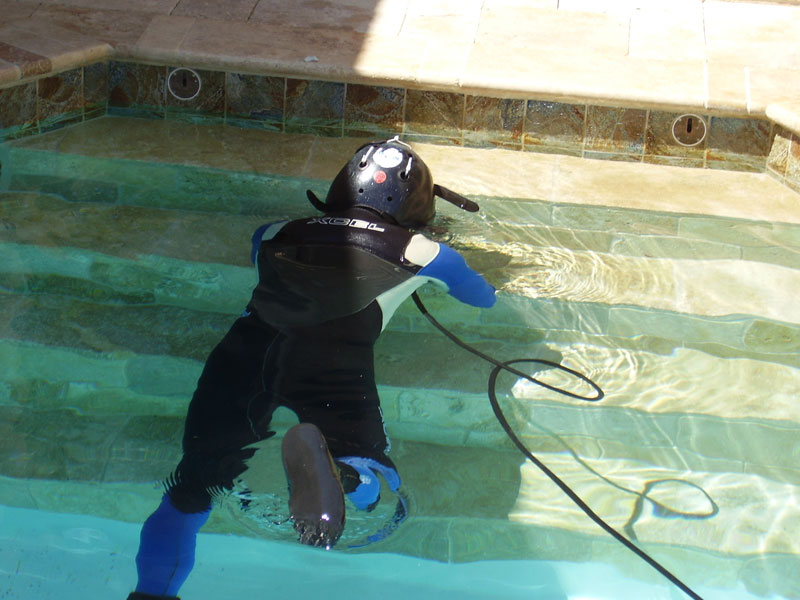
The next step is to isolate the part of the system that is losing water. The technician may plug the return lines and the skimmer line, then pressurize each line separately to see if the pressure holds. A drop in pressure indicates a leak in that particular line. For the pool shell, they use a leak analyzer that can detect changes in pressure or flow within the structure itself. Dye tests are common for finding cracks or gaps in the plaster, tile, or vinyl liner. A small amount of dye is released near a suspected crack; if the dye is pulled into the crack, the leak is confirmed.
For underground plumbing, the technician uses specialized testing equipment such as a hydrophone or a listening disc to hear the sound of water escaping from a pressurized pipe. This method works well when the leak is in a line buried beneath concrete or soil. The technician can also use a camera to inspect the interior of the pipes, looking for cracks, root intrusion, or collapsed sections. All of these techniques are non-destructive; they do not require digging or breaking the pool deck until the leak is precisely located.
Once the leak is found, the technician documents the location and provides a repair estimate. The inspection itself does not include repairs, but the report gives the pool owner the information needed to decide on the next steps. A professional inspection can also rule out a leak when the water loss is due to evaporation, backwashing, or a faulty autofill valve. This saves the pool owner from unnecessary excavation or expensive repairs.
What the Inspection Can and Cannot Tell You
A professional pool leak inspection can confirm that a leak exists, but it has limits. The inspection can tell you the general area of the leak, for example, in the main drain line or near the light niche. It can also tell you the type of leak: a crack in the shell, a hole in the liner, a loose fitting, or a break in a pipe. The inspection can measure the water loss rate accurately, which helps the pool owner understand how urgent the repair is.
However, not every leak is easy to find. Some leaks are intermittent, appearing only under certain conditions such as when the pump is running or when the water temperature changes. A single visit may not catch these. In such cases, the technician may recommend a longer monitoring period or a return visit under different operating conditions. Leaks in the underground plumbing can be particularly tricky. The equipment can pinpoint the leak to within a few feet, but exact location sometimes requires excavation to confirm. The inspection also cannot predict whether a leak will get worse over time, though a skilled technician can often estimate the risk based on the type and location of the damage.
Another limitation is that the inspection does not cover every possible source of water loss. If the water level drops because the autofill valve is stuck open and overflowing into the ground, the inspection will find no leak in the pool or plumbing. In that case, the technician will explain that the problem is with the autofill mechanism, not the pool itself. Similarly, a leak in the filter housing or a loose pump lid can cause water loss that looks like a pool leak, but the inspection will catch those as part of the equipment check.
Why Professional Testing Matters
DIY leak detection has its place. A pool owner can perform a bucket test to measure evaporation, check for wet spots around the equipment, and look for visible cracks in the pool surface. But professional pool leak testing goes deeper. The equipment used by a trained technician is more sensitive and more precise than anything a pool owner can buy at a home improvement store. A leak analyzer can detect pressure changes that are invisible to the naked eye. A hydrophone can hear water escaping from a pipe buried three feet underground. These tools give the technician the ability to find leaks that would otherwise remain hidden until they caused significant damage to the pool structure or the surrounding landscape.
Time is another factor. A small leak that goes undetected can become a large problem. Water that escapes from a cracked pipe can erode the soil beneath the pool deck, leading to settling, cracking, or even structural failure. A leak in the pool shell can allow water to get behind the plaster or tile, causing delamination and more extensive damage. Early detection through professional inspection can prevent these secondary issues, saving the pool owner money and hassle in the long run.
Professional testing also provides a documented record. The inspection report, complete with measurements and findings, can be useful for insurance claims, warranty work, or when selling the home. The report gives the pool owner a clear picture of the condition of the pool and its systems. For commercial pools, such documentation may be required for compliance with health and safety regulations.
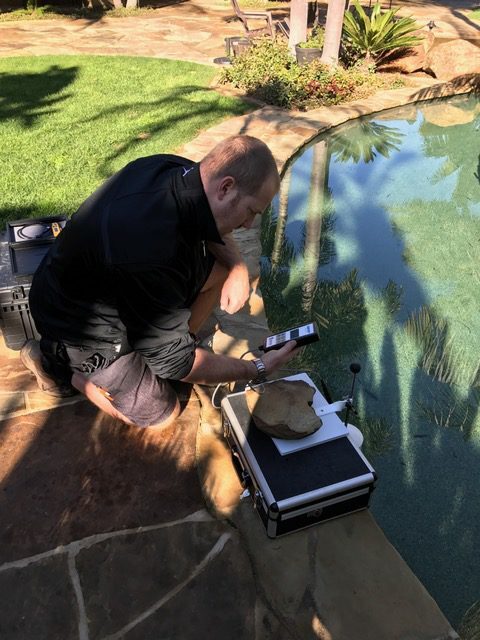
When you need reliable answers about your pool's water loss, a professional inspection is the most direct way to get them. Companies like those found at sandiegopoolservice.net offer specialized leak detection that covers both residential and commercial swimming pools, spas, and related plumbing. Their technicians use the same advanced equipment and methods described here, giving pool owners confidence in the results.
What to Expect During the Inspection
When you schedule a professional pool leak inspection, the technician will arrive with a truck full of equipment. The process typically takes one to three hours, depending on the size and complexity of the pool. The technician will start by talking with you about the symptoms: how much water you are losing, when you noticed it, and whether the loss changes with the pump running or off. This history helps the technician focus the search.
The technician will then perform a visual inspection of the pool and equipment. They will check the water level, look for cracks in the plaster or tile, examine the skimmer and returns, and inspect the pump, filter, and heater for signs of leakage. They will check the ground around the pool for wet spots, soft areas, or sinking. After the visual check, the technician will begin the diagnostic tests, using the leak analyzer, pressure gauges, dye, and listening equipment as needed.
The technician will also check the access points, the skimmer openings, light niches, and any other penetrations in the pool shell. These are common leak locations because the seals around them can fail over time. The technician will test each one individually to rule it out or confirm it as a source of water loss.
Throughout the process, the technician will explain what they are doing and what they are finding. You should feel free to ask questions. A good technician will welcome your curiosity and help you understand the condition of your pool. At the end of the inspection, you will receive a written report that summarizes the findings, including the location of any leaks, the water loss rate, and the recommended repairs.
When to Call for Professional Pool Leak Testing
If you suspect a leak, the best time to call is sooner rather than later. Waiting allows the leak to grow and cause more damage. Signs that you may need professional pool leak testing include: a drop in water level of more than a quarter inch per day in cool weather or more than half an inch per day in hot weather; air bubbles in the return lines; visible cracks in the pool surface; wet spots around the equipment or in the yard; a sudden increase in your water bill; or the autofill valve running more often than usual. Any of these signs warrants a professional inspection.

Even if you are not sure whether you have a leak, a professional inspection can give you peace of mind. The cost of the inspection is small compared to the cost of repairing damage caused by an undetected leak. Many pool owners schedule a leak inspection as part of their regular maintenance routine, especially if they live in an area with shifting soil or extreme weather that can stress the pool structure.
For pool owners in San Diego, services like those at sandiegopoolservice.net provide the expertise and equipment needed to find leaks quickly and accurately. Whether you own a residential pool, a commercial facility, or a spa, a professional inspection is the first step toward a lasting repair. The technicians understand the local conditions, the soil types, the climate, and the common problems that affect pools in the area, and they use that knowledge to guide their search.
In short, a professional pool leak inspection can confirm whether a leak exists, and it can do so with a high degree of accuracy. The process is thorough, non-destructive, and backed by years of experience and advanced technology. If you are worried about water loss in your pool, calling a professional is the smart move. The answer you get will be clear, reliable, and actionable.